
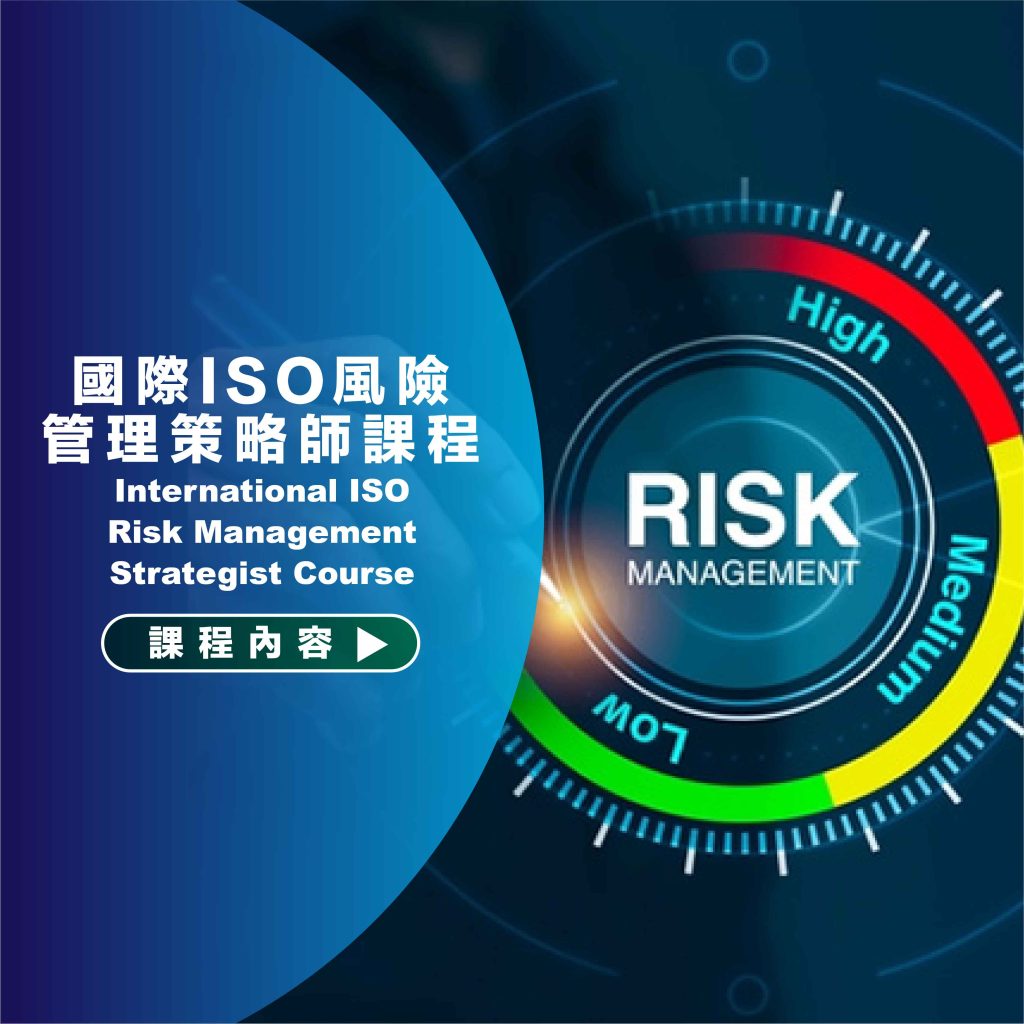
This course is designed to develop professional talent, with a core focus on the ISO 31000 Risk Management Guidelines and coverage of international standards such as ISO 9001 Quality Management Systems. It equips participants with cross‑disciplinary capabilities in risk identification, assessment, and control.Through a structured instructional approach, the course enables learners to master globally recognised risk‑management terminology and tools, enhancing decision‑making quality and professional competitiveness while strengthening organisational resilience and reducing operational, legal, and environmental risks.
The curriculum specifically covers four key domains—public relations, internal personnel management, customer crisis management, and corporate crisis management—enabling participants to formulate effective response strategies based on ISO standards when facing diverse challenges, ensuring organisational stability and trust in dynamic environments.Upon completion, participants will gain recognition valued by multinational corporations and government bodies, while also being equipped to drive a culture of continuous improvement, advance sustainability and compliance, and build a solid foundation for both career development and organisational internationalisation.
Course Features
1. Learn to identify different types and characteristics of organisational risks.
2. Analyse and formulate prevention and control plans for organisational risks.
3. Select appropriate strategies for risk prevention and control.
4. Understand the overall systems and execution mechanisms of risk and crisis management.
5. Gain awareness of social media dynamics and effective communication strategies.6. Apply and strengthen leadership capabilities in crisis management.
Course Content
1. Establish foundational concepts of corporate risk management.
2. Identify types of operational risks and the processes involved.
3. Analyse and measure the level and impact of risks.
4. Develop actionable risk‑management implementation plans.
5. Design internal defence mechanisms and control checklists.
6. Establish a comprehensive crisis‑management system.
7. Review organisational authority structures and incident‑control mechanisms.
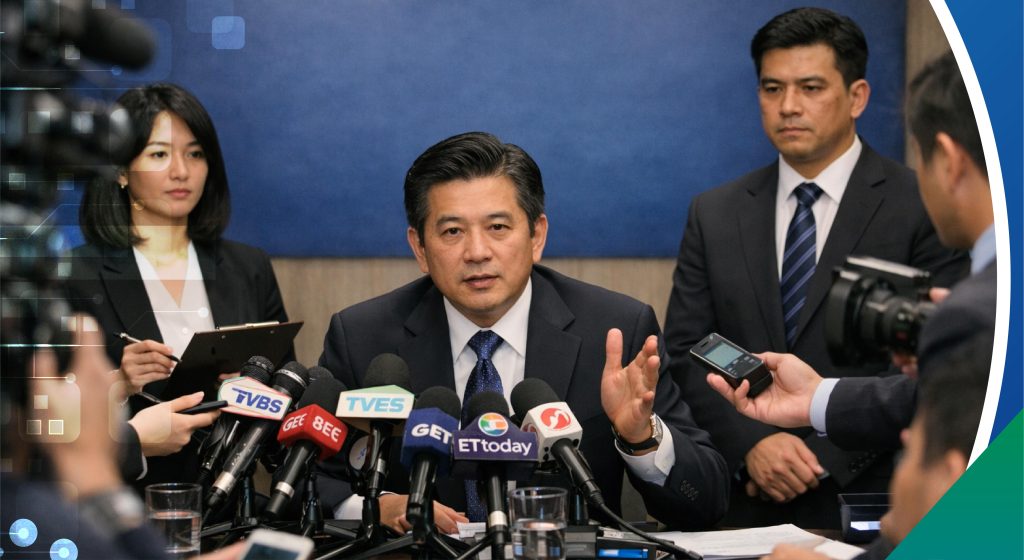
8. Apply crisis‑communication techniques and leadership strategies.
9. Identify crowd‑related conflicts and apply resolution models.
10. Negotiation techniques and professional business ethics.